



















































Every year, the summers have been getting hotter, the winters harsher, and the weather more and more unpredictable. The symptoms of climate change have become unavoidable and one of the many signs is the threat of extinction that hangs over many species.
Pollinators are specifically at risk with a 2025 study by NatureServe, finding one in five pollinating species at an elevated risk for extinction, with bees facing the highest risk.
“Some scientists estimate that one out of every three bites of food we eat exists because of animal pollinators like bees, butterflies and moths, birds and bats, and beetles and other insects,” said The U.S. Department of Agriculture.
An extinction of pollinators would be catastrophic; the entire food system would collapse with crops failing and in turn livestock starving. The role these creatures play is one that we cannot afford to overlook.
Pollinators face the same threats as every species in the modern world: pollution, changing climates, and habitat loss. Natural habits have been slowly disappearing for decades, as urban development increases more and more, natural habits are built over. In Floyd County alone, I have seen houses and apartments go up, slowly devouring land that once was green.
“The United States is losing nature at an unprecedented rate. According to this report [Wildlife under pressure by National Wildlife Federation], species lost, on average, 6.5 million acres of vital habitat over the last two decades. “ said the Indiana Wildlife Federation in a 2022 article.
While urban development may be inevitable, there is still a way everyday people can help support the species facing extinction by planting natives. Native plants are species of plants that grow in specific regions without having been planted or brought to the region by a human, and their importance cannot be understated.
“Native plants, which are adapted to local soils and climates, are usually the best sources of food and shelter for native pollinators,” said the Xerces Society for Invertebrate Conservation in Native Plants For Pollinators and Beneficial Insects.
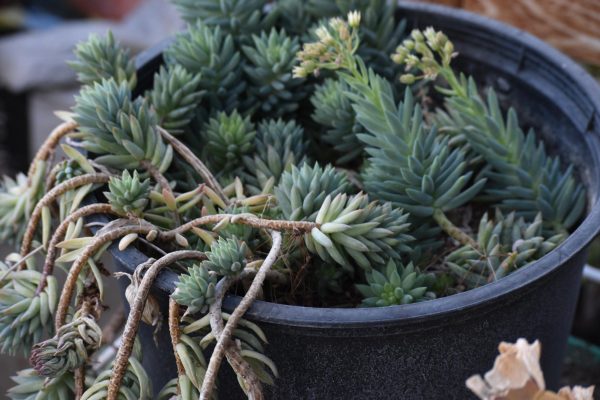
Native plants support more than just pollinators, they are meant for the environment they originate from to help create a healthy and effective ecosystem. Planting natives is one of the easiest things individuals can do to help support the environment and pollinators. Native plants usually require less maintenance than nonnatives, oftentimes developing self-sustaining communities that come back year after year.
“In the long run, natives will, in most cases, form self-sustaining plant communities that do not require much maintenance. Because they are adapted to a local region, they tend to resist damage from freezing, drought, common diseases, and herbivores if planted in that same local region,” said Jeanette Dorner in An Introduction to using native plants in restoration projects 2002.
Native plants offer a beneficial replacement or addition for typical grass yards, which offer little appeal to wildlife and encourage the use of pesticides that contain harmful chemicals. Start small, the whole yard does not have to go, but even just planting one can help support pollinators.
Finding native plants is easier than it might seem, with many websites specific to different regions having lists and even selling seeds specifically for pollinators and native plant gardens. Some of which have guides to different native plant species, with resources like Indiana Native Plant Society. Others are more consumer based, containing both information and the ability to order seeds or seedlings like Native Plants Unlimited. Plants can be expensive, but when it comes to native plants one easy way is to collect the seed heads of already established natives.
When it comes to the environment, it comes down to individuals to care and make a difference. Pollinators, animals, and just the earth in general can all be supported through means as simple as planting a few native species.