


















































Teenagers grew up with the world at their fingertips, with the first iPhone coming out in 2007, before many students were born. Life without technology seems like a long time ago, akin to dinosaurs.
Having access to this technology 24/7 has made many students dependent on their devices. There is a dopamine boost when a task is completed in a game or when receiving a text from a friend.
“When we check our phones, our brains release a small amount of dopamine,” said Dennis Buttimer, a life and wellness coach at Thomas F. Chapman Family Cancer Wellness. “Dopamine motivates us to take action and each time we hear a notification, we check our device. The problem is this dopamine boost is temporary and leads to a letdown. Our brains want more dopamine, which triggers the habit of checking our phones constantly throughout the day.”
During the COVID-19 pandemic, technology became a bigger part of our lives than ever. For months, no one saw people outside of their household. School was online, spending days on Google Meets and turning in assignments on Google Classroom. Social media became the way many people communicated with each other.
But COVID was six years ago, and while things have returned to normal, technology is still very prevalent in classrooms and everyday life.
Many people believe that technology is going to be the downfall of society, and teenagers are unable to become functioning members of society.
This conversation is not new, however. In the 1960s, it was television. In the ‘70s and ‘80s, rock music.
The difference is that television and rock music did not overtake people’s lives. According to Danielle Grant, a pediatrician at Texas Children’s Pediatrics, children and teens are only supposed to be spending two hours looking at a screen per day.
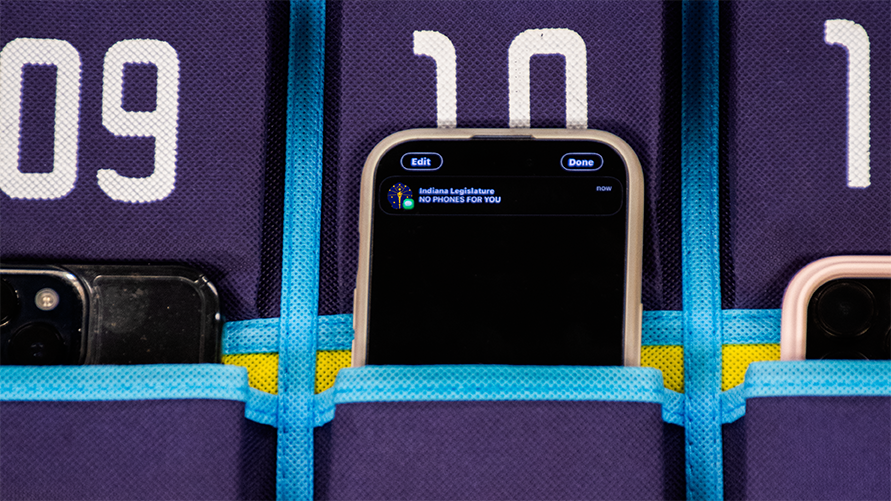
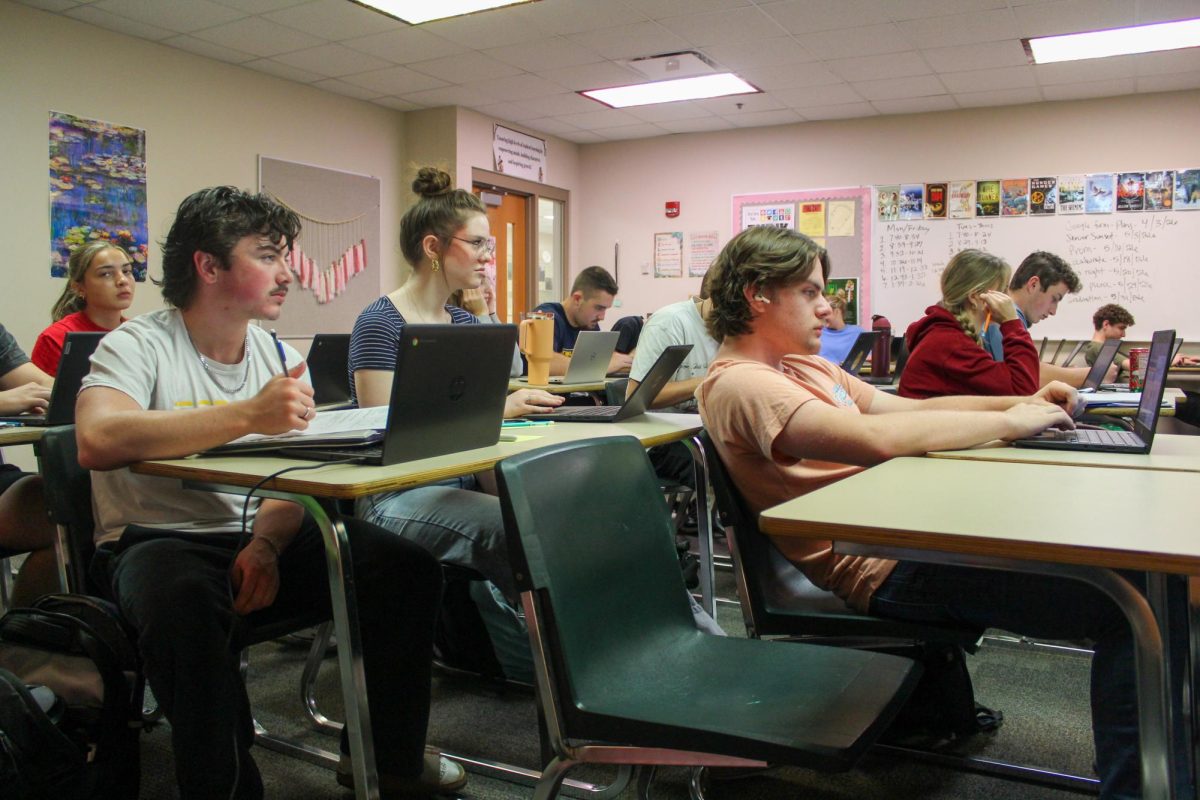
One way to fix these issues would be to remove technology from classrooms. Having seven classes, each of which is about 50 minutes long, means that students are spending roughly 6 hours staring at screens. This is a stark difference from the recommended two hours.
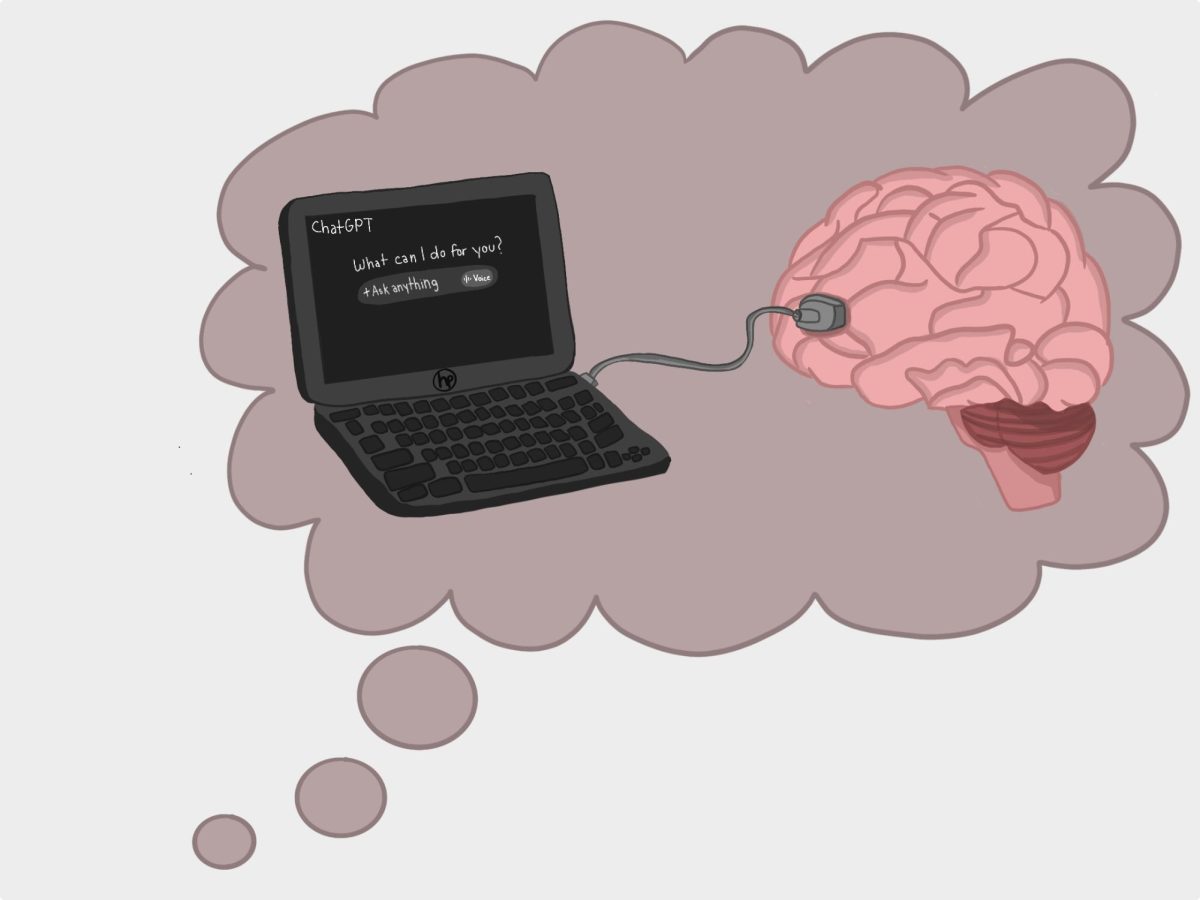
Removing screens from classrooms would also help students refrain from cheating. According to EdWeek.org, out of over 200 million writing assignments reviewed by Turnitin’s AI detection software, 1 in 10 writing assignments have reported AI use.
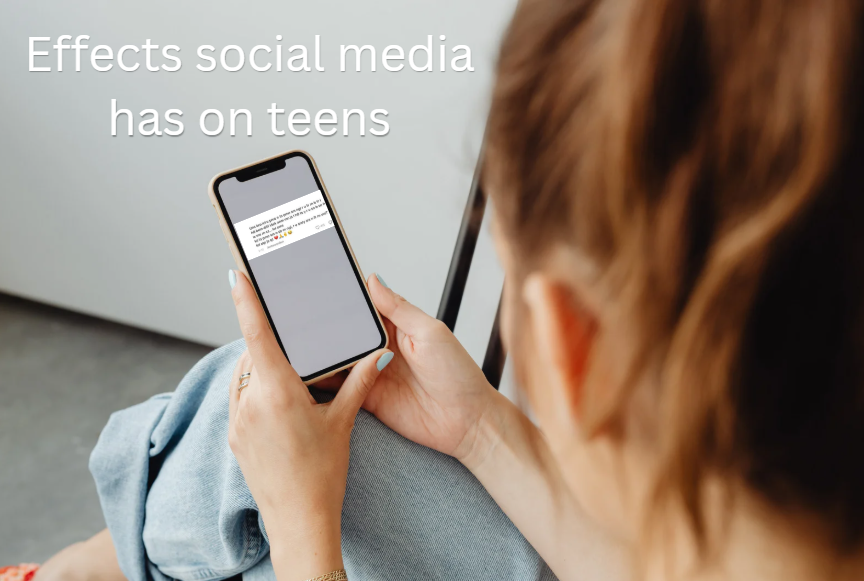
Another way to solve this problem would be to limit social media use for children and teens. However, at this point in time, quitting technology cold turkey would do more harm than good.
“To date, studies that test the effects of taking a hiatus from online communication have shown mixed effects. In our study, we sought to address this by testing the psychological effects of taking a break from social media and whether time spent ‘digital detoxing’ would be used for other, some might say, more rewarding activities,” said Andrew Przybylski, Director of Research at the Oxford Internet Institute. “Contrary to our expectations, the data shows that abstaining from social media doesn’t automatically improve peoples’ wellbeing nor lead to time spent engaged in more fulfilling social pursuits.”
Instead, set time limits on social media, and when that time is up, try doing a non-screen related activity, such as reading a book or coloring.
Categories:
Opinion: Teenagers suffer from technology addiction

Daphne Mckim
Tags:
Donate to The Bagpiper
$25
$1000
Contributed
Our Goal
Your donation will support the student journalists of Floyd Central High School. Your contribution will allow us to purchase equipment and cover our annual website hosting costs as well as our annual Journalism Education Association trip to Seattle
About the Contributor

Alexis Leuthold, Opinion Editor
Alexis Leuthold is the Opinion Editor of the Bagpiper. She has been on staff for three years and is involved in the Floyd Central Emerald Guard.