

























 What is the Primary Election for?
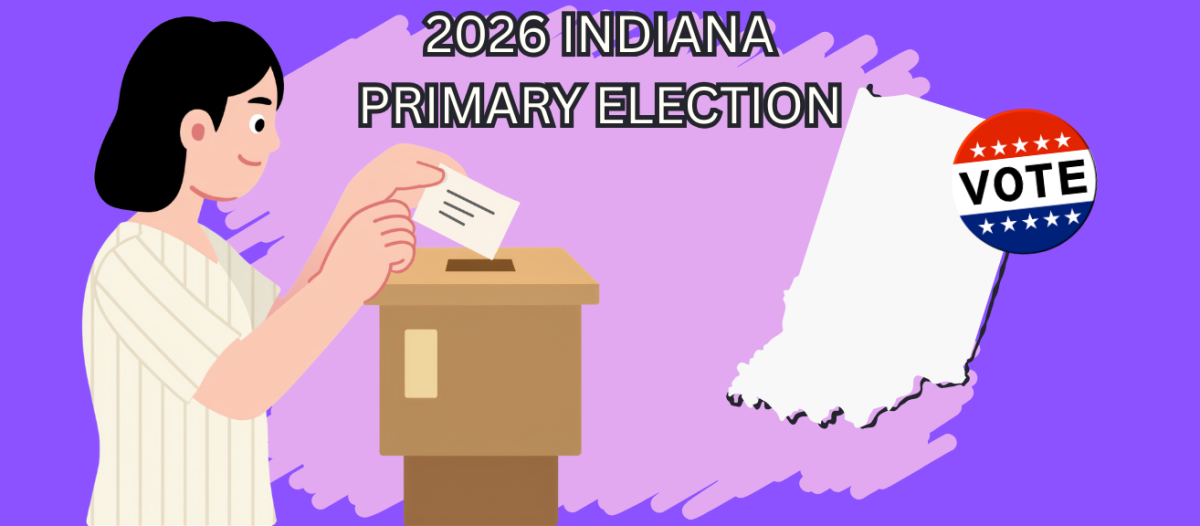
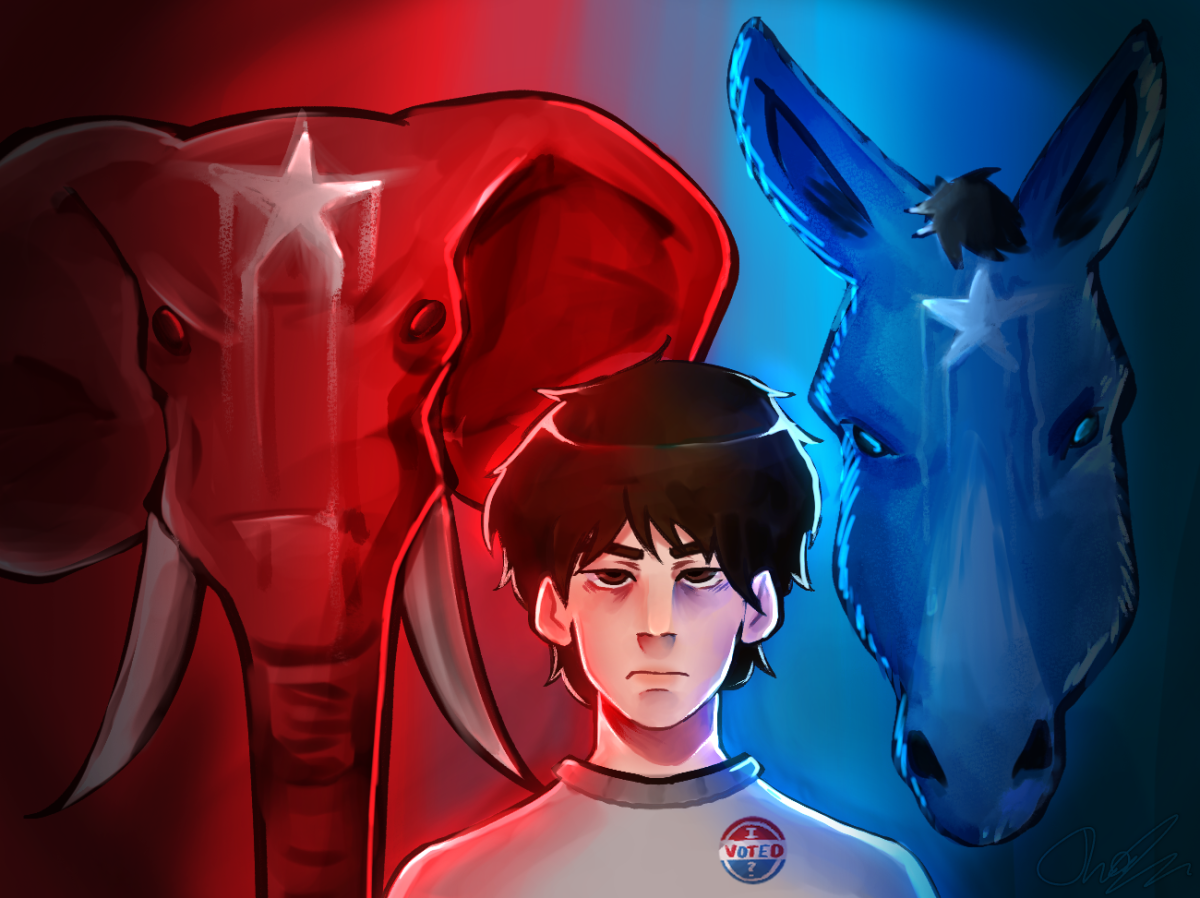
On May 5, Indiana will be holding the 2026 primary election. On even years, state and federal positions are up for the vote. The primaries are held in the months before the general election in November, serving as a precursor during which the names that appear on the ballot in November are decided.
Primary elections can either be closed, open, or hybrid. During closed elections, voters are given a ballot based on the political party they are registered to vote in. Open primaries, on the other hand, let voters decide which party they want to vote in. Indiana is technically a closed election with Indiana law found on the Indiana General Assembly website saying,
“A voter may vote at a primary election: (1) if the voter, at the last general election, voted for a majority of the regular nominees of the political party holding the primary election; or (2) if the voter did not vote at the last general election, but intends to vote at the next general election
for a majority of the regular nominees of the political party holding the primary election;”
Despite the law, due to the nature of ballots there is no real way to ensure voters choose which party they plan to vote for meaning Indiana is effectively an open Primary state.
What’s on the Ballot?
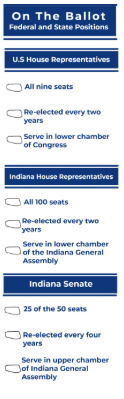
This year positions vary from federal to state to local levels, with the 9 U.S House seats, all 100 Indiana House seats, and 25 of the Indiana senate seats all up for re-election. On the local level, many positions are also up for the vote, including positions for County Commissioner, County Coun cil, Township Trustee, Township board and Sheriff. To find the entire list of candidates running Ballotpedia, a bipartisan online encyclopedia of information on American elections and politicians, can be used to make a sample ballot based off of zip code and address.
How is Indiana divided into districts?
When it comes to districts there are three main ones a voter would need to know for the primaries. Indiana has nine representatives in the U.S. house, meaning the state is divided into nine districts. Floyd county, Harrison county, and Clark county all fall into the ninth district which is currently represented by incumbent Erin Houchin, who is running for re-election as the republican candidate on the ballot.
On the state level, there are two different district maps: the Indiana house and the Indiana Senate. The Indiana House has 100 seats meaning it is split into 100 districts, for Southern Indiana the main districts are State House districts, 70,71, and 72. Floyds Knobs and New Albany are both primarily in District 72, while Clarksville and Jeffersonville are in district 71. The current district 72 representative is Ed Clere, who after serving 18 years in the house is stepping down to instead run as an independent candidate for mayor of New Albany in 2027.
For the Indiana Senate, there are 50 districts. The main districts are district 47 and district 45. Corydon and Floyds Knobs fall into district 47, while Clarksville falls into district 45
The current incumbent for district 47 is Republican Gary Byrne, who has no other Republican competition on the ballot.