











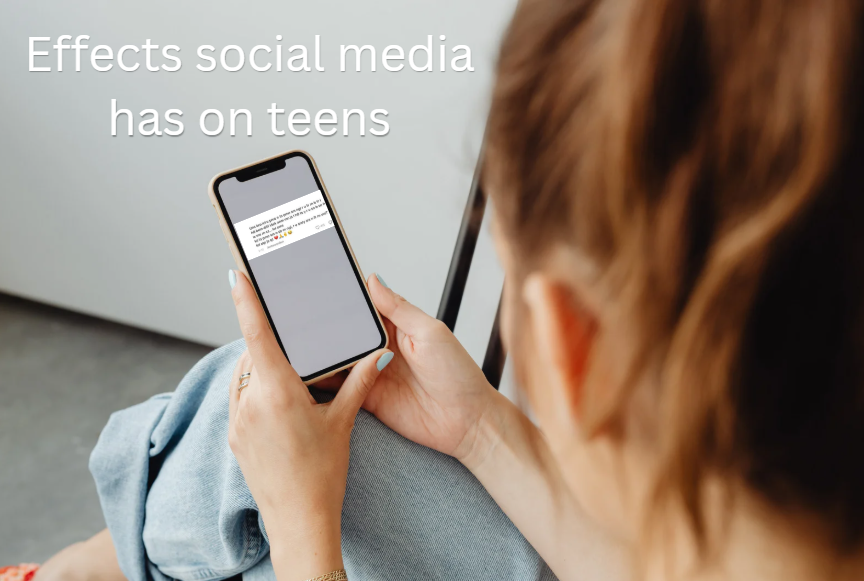




























Walking through the hallways you see every teen with their heads down, scrolling away on their phones. Social media has become such a staple in teenagers’ day to day lives. Apps like TikTok, Snapchat, and Instagram are the most popular apps right now. These apps allow for friendships to be formed and grow, but social media also has many detrimental flaws. Social media is very prominent in every kid’s life and plays an important role in growing up.
Social media has a positive aspect and a negative aspect. The positive aspect is how it gives teens’ friendships and bonds and even meet new people. Social media allows kids to stay in touch with their friends outside of school, work, or sports. Social media is also a place for teens to explore themselves, find activities and express their creativity. Social media is where kids can be themselves and find others who like to do similar things, even encourage others to do the same. It also allows teens to speak on important and controversial topics, and see the world in different ways that you could not without social media.
Social media also has a negative aspect and it is the way lives are altered and edited to seem “perfect”. Every scroll you take is of someone’s perfect looks, perfect success, perfect life; this can eventually take a toll on a teens perspective of themselves and how they see everyone else. Social media allows teens to compare themselves to the perfect people they see online, even if they know it is real or not. The comparison culture teens grow up in can take away their self-esteem in an instant. Social media also makes teens have the want to gain followers, likes, friends, and validation by strangers. This eventually leads to mental disorders and bullying. Social media is a constant thing in a teens life; whether it’s texting your best friend or getting bullied by a stranger that’s hiding through the screen. Drama spreads in an instant, by the typing of some fingers. School life and home life can’t be separated anymore, so rumors and bullying is inevitable.
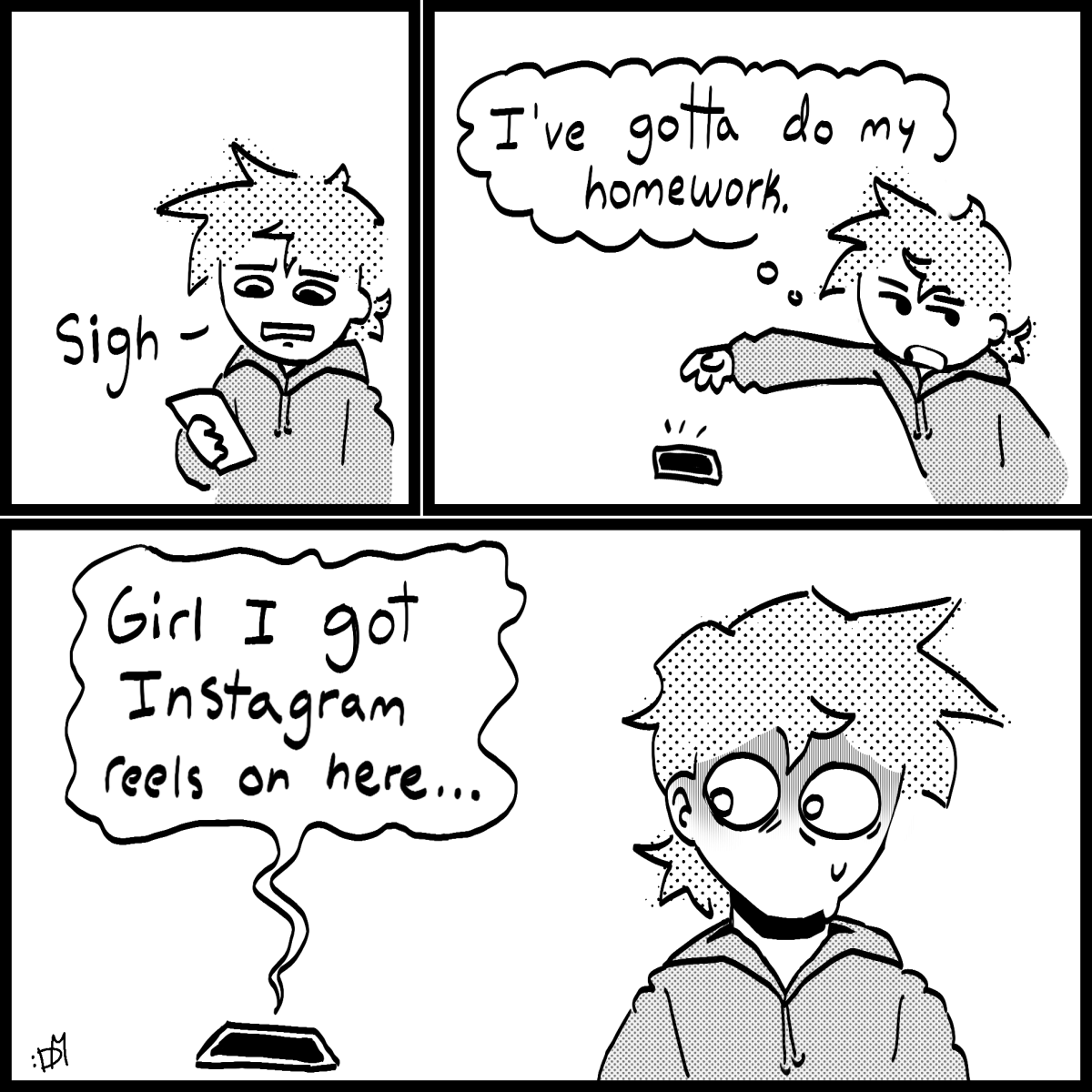
Another negative aspect is how it destroys our attention span. TikTok consists of 30 second videos and sometimes teens can’t even watch those fully. This lack of attention carries over into every other aspect of a teenagers life; whether its school, practice, family time and work. It can make longer tasks feel 10x longer. The constant stimulation can reduce patience and increase the need for instant gratification.
All this negative talk about social media does not mean social media directly is not the problem for all of these issues. The real issue depends on how social media is used, how long they are online, and how far they let it take control of their lives. If teens have boundaries set up and engage in real life relationships and conversations, social media shouldn’t be a problem. Social media is a huge part of this generation’s lives, but it should not be their whole life. It shapes how teens see themselves and others, how they communicate with friends, and how they view success in their lives. The problem is not social media all together, it is the way it is accessed and used against others.