

























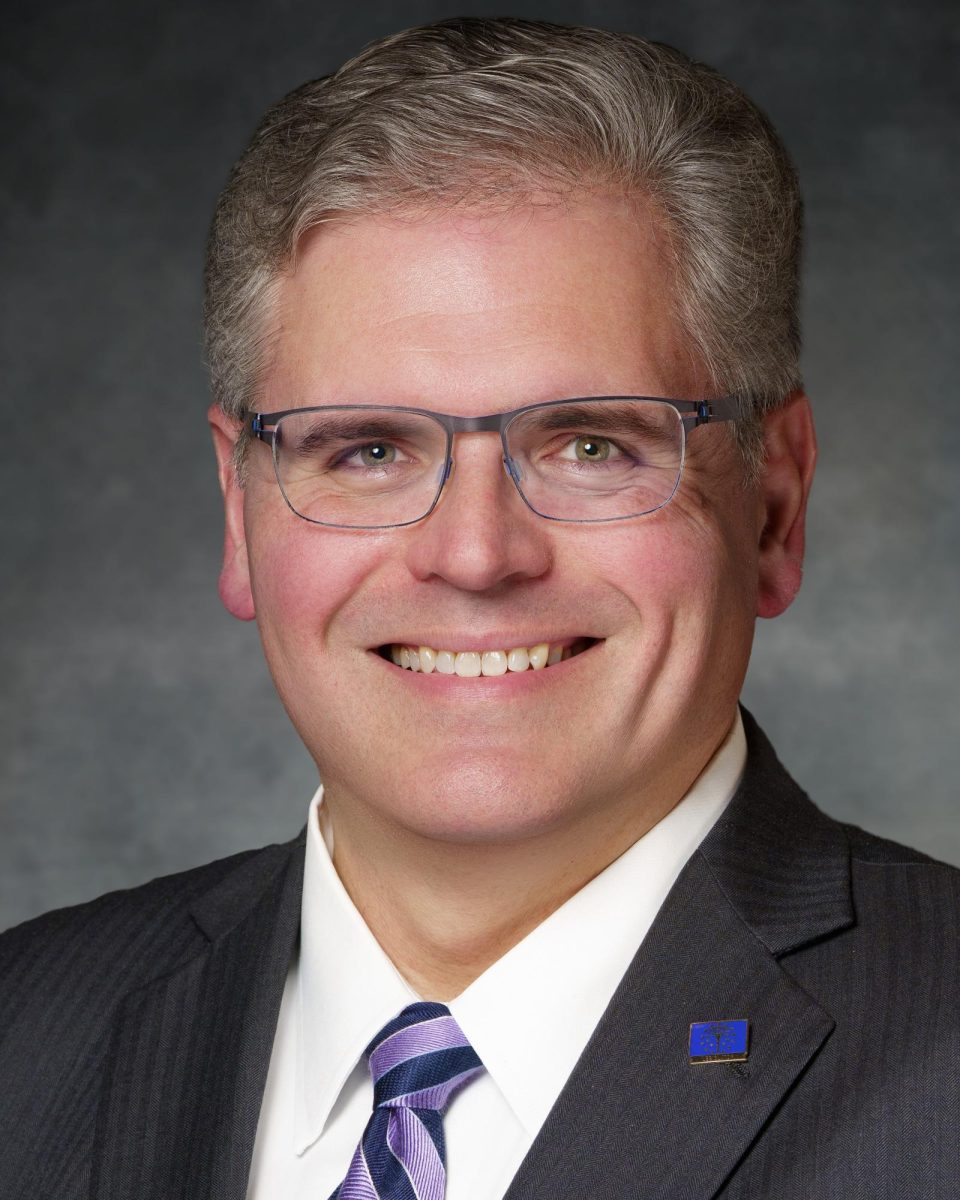
(Editor’s Note: This interview was conducted before Clere’s departure from the Republican Party.)
The national average for unemployment rate is 4.4% and Indiana’s is actually 3.7%. What do you think we do different to make it lower?
Indiana has established itself as a very business friendly state, which has resulted in job creation and Indiana has a higher workforce participation rate than many other states as well. Have you looked at that? Our labor force participation rate generally hovers around the low-to-mid 60s like 63 and 64 typically sitting slightly above the national average.
What could other states try to learn from us?
Indiana can provide – in the anachronism – a lot of good examples of things that attract employers. Back to what I said a minute ago about creating a business friendly climate. So, in particular, look at things like the regulatory environment, tax structure. A very business-friendly regulatory environment and tax structure and those are both critical components in attracting and retaining employers. States have looked at what Indiana has done and have tried to make changes to more closely mirror some of the policies that have made Indiana successful in attracting and retaining employers.
You voted no on the redistricting of Indiana. Could you break down how you made that decision?
There was no justification for it other than bare-knuckle partisan politics and I couldn’t support that as a reason to pursue mid-cycle redistricting. It normally occurs once every 10 years following the decennial census. It always happens in the year following the census. So, the legislature last undertook redistricting in 2021, and it will be visited in 2031 based on the 2030 census. So last year, 2025, was mid-cycle. And among other things, there was no new census data. So, the redistricting that was proposed was based on outdated census data.
I always put a high priority on bipartisanship and I have always worked hard to make things bipartisan or whenever possible non-partisan. And the push for mid-cycle redistricting blew in the face of that. It was an explicit attempt to increase partisan advantage that already was and remains significant. It was an attempt to game the system. It was really nothing more than cheating. The end-cycle redistricting across the country has only deepened partisan divisions. It didn’t pass here in Indiana. It still did a lot of damage. That damage is evident
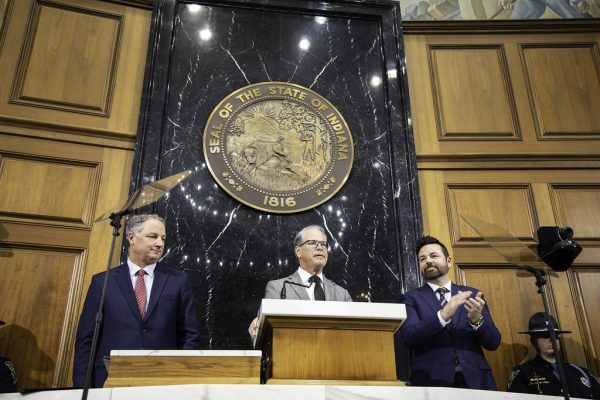
at the State House.
But I’ll give you the positive side of it, Ryan. I would argue that there was a silver lining, as I’ve called it. It brought unprecedented attention to a topic that usually doesn’t receive much attention outside of the 10-year cycle and I think it could lead to reforms in a number of states, hopefully including Indiana. In other words, redistricting usually doesn’t receive much attention and all of a sudden it received unprecedented attention. It caused a lot of people to realize that they needed to pay more attention to what’s going on and to get engaged. So I think it will
continue to reverberate across the country.
It has had a lot of very negative short-term consequences, including highlighting and deepening partisan political divisions, but I think it may have some significant positive, albeit unintended, longer-term consequences, including the sorts of reform I’m referring to. So when I talk about reform, I’m talking about, for example, states passing legislation or amending their constitution or both, depending on the state and what’s required, to reduce partisanship in the redistricting process, to move away from the highly partisan “winner take all” approach that we see in most states and move toward something less partisan such as a non-partisan redistricting commission. It would be difficult to make the process completely non-partisan, but we should be trying to get as close as we can.
The positive impact would be profound because it would affect the way we approach and work on every other issue. So I think many people, as a result of the push for mid-cycle redistricting, many people started to connect the dots in a way they never had and came to understand that how legislative district lines are drawn ultimately affects everything else they care about, whether it’s education or health care or jobs in the economy or the environment or any other issue. Who is elected can make all the difference as to whether an issue receives attention and what kind of attention it receives. So in a sense, everything starts with how district lines are drawn, both congressional boundaries and state legislative district boundaries.
It was a very ugly chapter, one of the ugliest, if not the ugliest that I’ve witnessed at the State House. And again, we’re seeing the consequences of that. I mean, it hasn’t gone away. It is that the even though the mid-cycle redistricting debate is over in Indiana, its consequences are still with us. And as I said, I think in the short term, the consequences in Indiana and across the rest of the country are very negative. But I’m hopeful that we will see good things come from it, including and especially greater voter engagement and participation. I mean, I could talk about redistricting all day.
President Trump did make some public comments about how he would oppose any conservatives who did vote no on their redistricting in Indiana in the next election cycle. Do you think that gave you or any other of your party members that voted no pause?
Certainly didn’t give me any pause. In the end it may have actually backfired with a number of my colleagues. They resented the pressure campaign and the heavy-handed tactics the White House was using. My situation is a
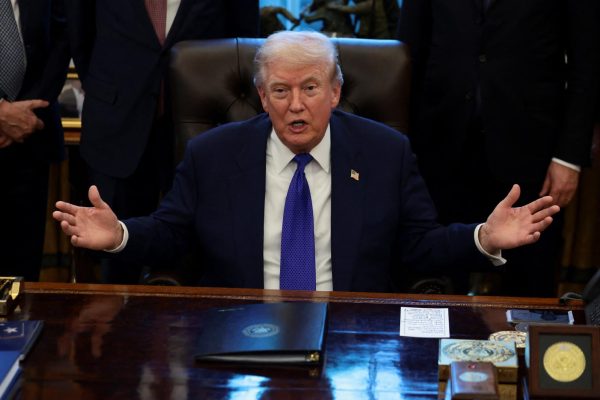
little different because I was outspoken against mid-cycle redistricting from the very start. Go back and look, Ryan, but I think I was quoted as early as the first week of August stating my unequivocal opposition to mid-cycle redistricting. I was never the subject of the pressure campaign and heavy-handed tactics that many of my colleagues
experienced because I made it clear from the beginning that I was a no vote and that wasn’t going to change. Now, that doesn’t mean it was pleasant, as you’re probably aware of a lot of things. I had a bomb threat in December. The Indiana State Police are still investigating that and I hope that they are able to identify and hold accountable the individual or individuals who threatened me and my colleagues.
The way they did it makes it very hard to investigate because they used anonymous email and email that was routed through foreign servers and other methods that make it very difficult to investigate, but I have great respect for the Indiana State Police and I know that if anyone can get to the bottom of it, they will. But it was a very difficult time for many of us. It continues to be a difficult time.
You being big supporter of student publications, there was a very public spat at Indiana University over the Indiana Daily Student. How do you think that situation could affect student publications in the state?
Well, I cut my teeth in journalism on the Bagpiper where you are now. So I have a deep appreciation of and love for student publications going back to my high school days at Floyd Central when I was on the staff of the Bagpiper and on the staff of WNAS radio… I think it’s a wake-up call. It’s a wake-up call and hopefully a rallying cry for those who support student publications to turn their support into action.
Are you familiar with the legislation I tried to pass at the State House [The New Voices Movement]? Unfortunately, I had to give up on that because the opposition was too strong. And it became evident to me that it wasn’t going anywhere, which made me very sad. I think student publications and student journalists play a vital and invaluable role. Student journalists have a unique perspective and a unique ability to report on issues in a way that other journalists can’t. They have a level of access and insight that other journalists will never have. That gives student journalists the ability to identify and report on issues that otherwise would go unreported and to do it in a way that is both meaningful to their school community and to the broader community.
Among other things, other students will pay attention to student journalism in a way that they won’t pay attention to other journalism because student journalism is being done by their peers and as a result it has a level of credibility and insight that can’t be replicated anywhere else. So, bottom line, we should be investing more in student journalism at the local level and protecting it in law at the state level. I loved working on the New Voices legislation. It gave me an opportunity to see the amazing breadth and depth of student journalism in Indiana and the seriousness and commitment of student journalists and their teachers and advisors.
It’s not something that they take lightly. There was this narrative that somehow student journalists are going to be irresponsible and are going to cause trouble. Well, they may cause trouble, good trouble as it’s come to be known. If causing trouble means bringing greater transparency and accountability to schools and providing a uniquely relevant forum for student expression and communication, then I’m all for it. I say we need more good trouble if that’s what good trouble is in the context of student journalism. It’s very convenient for administrators to marginalize student journalism and student journalists, but it’s wrong. As we saw through the New Voices legislative effort, good administrators support strong student journalism. Good administrators have nothing to fear from strong student journalism. They realize that it strengthens their school and makes it a better place for everyone.
I don’t know what it’s going to take to get back there. Maybe Indiana can revisit the New Voices legislation, but it’s not now.
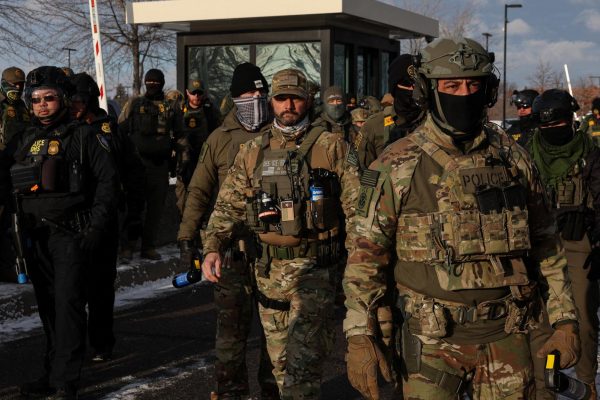
In the area of jurisdiction that includes Indiana, over the past few years the Department of Homeland Security has made a total of 11,000 arrests. What are your thoughts on how they are carrying on and ramping up over the past year?
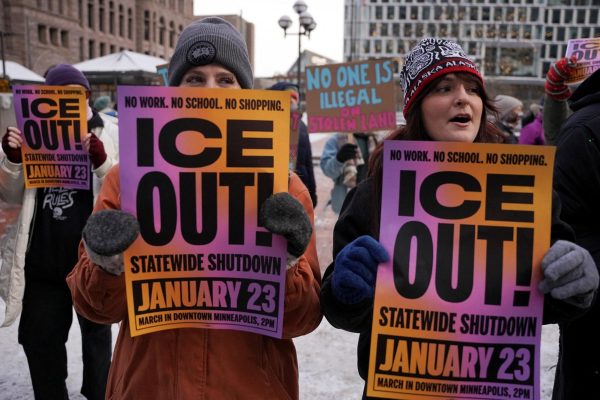
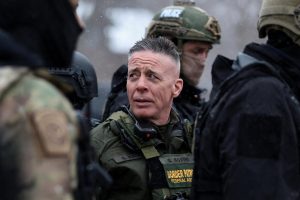
You’re talking about ICE enforcement and stuff? Yeah. For the most part, it has been a tragic and indefensible use of resources that could be better applied elsewhere. There is no question that appropriate law enforcement agencies should be seeking to identify and arrest undocumented people who have committed serious crimes or who pose some other serious threat to communities.
The vast majority of undocumented people are an asset to our nation and our state and our communities. We should be working to find a way to make things better for everyone, including undocumented people. It needs to come from Congress. There is very little that the state legislature in Indiana or in any other state can or should do regarding immigration. It is a federal issue that requires congressional action. Still good? That requires congressional action. It is inexcusable that Congress has failed to act and continues to fail to act.
At a very basic level, we need to do two things as a country. First, we need to secure our borders. And I say borders plural because it’s not just the southern border. It’s all of our borders, our land and sea borders, as well as other ways that people arrive in the country and will remain in the country in undocumented status. I mean, I think you know this, Ryan, I forget the
percentage, people who’ve overstayed a student visa make up a significant percentage of undocumented people in the US. But the first thing is we need to secure borders and we can use technology to do that very cost effectively. There’s certainly a significant personnel cost, but we should start with technology. I’m talking about drones and GIS technology and other mapping technology and surveillance technology and predictive models; I mean there are all kinds of technology that can be leveraged to address border security.
And then the second thing is we need to figure out what to do with the people who are here and, you know, unless there is a serious criminal issue, we should always be looking for ways to treat people humanely and in a way that creates greater accountability and opportunity for everyone involved, including the undocumented person and the community. So I think we get really bogged down in the details of that. You’ve heard the term amnesty. Whenever somebody says, oh, you’re talking about amnesty, that’s when these partisan divides rear their ugly head. People usually run to their respective political corner and start hurling things at the other corner, the opposing corner.
But, you know, first of all, we need immigrants. We need immigration to be legal and orderly going forward. But we also need to recognize that we have a lot of people who are here as a result of a variety of reasons and circumstances. We need to figure out how to treat them humanely and, as I said, provide greater accountability and opportunity for everyone. We have a lot of undocumented people here who would love to have a pathway to citizenship and I think
we should provide that. It should be a high bar that demands an appropriate period of effort and accountability from them before they can attain citizenship. So I’m not talking about just waving a wand and saying, you know, for X number of people who happen to be here, you get to be citizens tomorrow. That’s not what I’m suggesting. I think it varies greatly depending on how they arrived here and what they have been doing since they arrived.
I think in the case of a Dreamer, you’re familiar with that term? Yeah, look that up, the Dreamers. These are the DACA kids. Are you familiar with DACA? So, you know, in the case of those who qualified for DACA, I think the pathway to citizenship should be relatively quick and easy because they are for all intents and purposes American already and should have a relatively easy, I would say at this point even an expedited pathway to citizenship. These are people who came here as children who were, I shouldn’t even say came here, these are people who were brought here as children, the Dreamers. They didn’t choose to come here, but they grew up here and this is their home.
Okay, so I think that’s maybe one extreme. And then the other extreme would be, I don’t know that extreme is a good word, but I think you have people who came here in undocumented status under a variety of circumstances. Maybe they crossed one of the borders looking for work or other opportunity or fleeing persecution. Or maybe they overstayed a student visa. As long as there are no serious criminal or security concerns, I think there ought to be a pathway to citizenship for those folks because the bottom line is we need immigrants. Our country is a country of immigrants. Unless we’re talking about Native Americans, our families all arrived here as immigrants. Immigrants have always been the backbone of our country.
Especially with population shifts and declining birth rates, figuring out a rational, constructive immigration policy is more important than ever. Are you familiar with the population shift in Indiana from 2010 to 2020 based on the census?…Based on the census from 2010 to 2020, 49 of Indiana’s 92 counties lost population. So it is a very serious situation for the majority of Indiana counties. In many cases, it will be difficult, if not impossible, to stop or reverse the population decline without immigration.
So we need to recognize the need for an immigration debate that sets aside or at least minimizes partisan politics. We need to give ourselves space to get to sound immigration policy that again addresses those two things: border security and what to do about people who are already here.
Do you worry at all about a Minnesota-esque situation arising in Indiana with violence and subsequent protests?
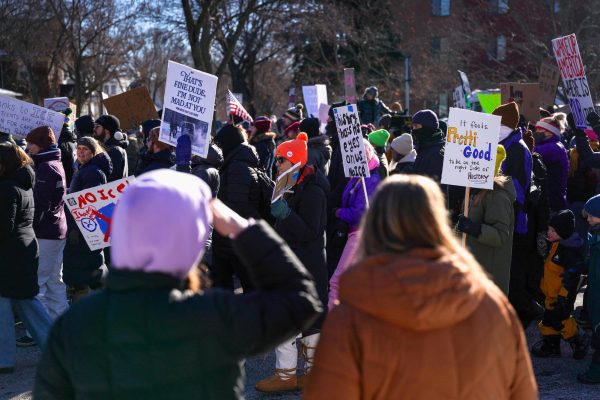
100%. Yeah. It’s a tinder box as long as things continue the way they’re going now. There is the potential for a similar incident to occur in any of countless
communities across America, including communities here in Indiana. Yeah, I’m very concerned about it. I’m very concerned about rising violence overall, including rising political violence. We’ve seen that over the last
couple of years. There was an assassination attempt on the president that almost succeeded. A former speaker of the Minnesota House and one of her colleagues were targeted and the former speaker and her husband were killed and her colleague and his wife were seriously wounded in their homes. We’ve seen growing and more frequent political violence throughout the country. And it is a very disturbing trend. And it is only exacerbated by the rhetoric over immigration.
Who do you think will be the Republican nominee for president in 2028, and who do you think should be?
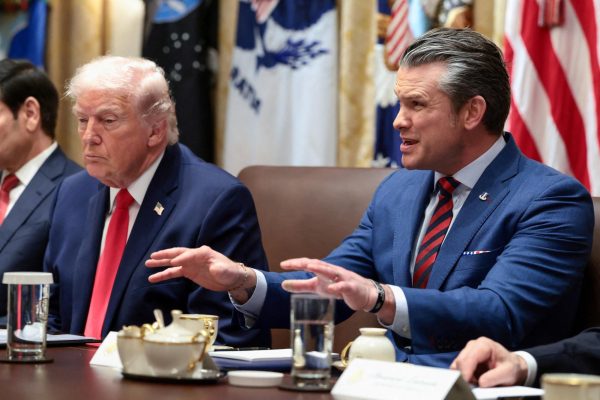
I don’t have a strong opinion at this point of who should be. I have a stronger opinion, a much stronger opinion about who shouldn’t be, if you don’t mind my answering it that way. It shouldn’t be any of the current national level Republicans who are fueling division and failing to lead in a way that brings people together. So without naming names, that automatically disqualifies most of the people who are being talked about today. I could never support anyone who has contributed to the division and dysfunction that characterizes politics today.
You know, I would like to think that there will be a turn toward the middle, whether it’s a Republican or a Democrat. Someone emerges who can unify the country and help us move away from the current state. I don’t mean to avoid your question with respect to names, I’m just not sure it’s productive at this point to talk about specific names because we’re just entering the midterm cycle at this point. And we really need to get through the midterms. One of our many problems is that we have endless election cycles and we need to get back to moving past elections once they’re over and trying to come together to govern rather than always looking immediately toward the next election. It is a very destructive cycle.
One trend we’ve been seeing over the past few elections is the younger demographic coming out to vote more than they have been in past years. How do you think your party should try to appeal to that younger demographic as they are coming out to vote more?
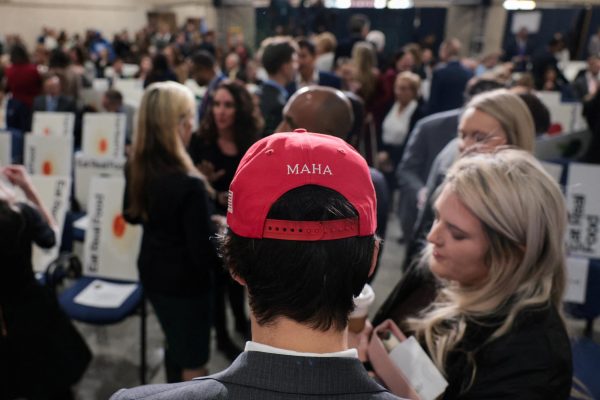
Well, first of all, that is a welcome and hopeful trend. We need younger people to become more engaged in politics and government. And obviously we need them to vote… the answer may be surprisingly simple. It starts with listening to what they have to say and being responsive to it. A lot of people, well historically I’ll say, political participation among younger people has been lower for a lot of reasons, including the fact that many younger people don’t see themselves reflected in the political system. They don’t see their priorities and values being addressed so they
don’t feel their voice matters, they don’t feel their vote matters because they see things continuing to work the way they’ve always worked and leaving out many younger people and the things they care about. I hope we will see more participation on the part of younger people, younger voters. This year’s midterm elections and the 2028 presidential election cycle will both provide great opportunities for engagement and young people need to know their voice matters and that they can make a difference.
How do you think current economic policy at a national level or at state level affects the average consumer?
I’ve heard the term affordability being talked about a lot. Affordability is one of the biggest issues in both Washington and Indianapolis.
We are in the short legislative session now. The short session is the non-budget year. You know how the system works, that we have a budget session in odd numbered years. The state operates on a two-year budget. So last year was the budget session and it went January through April. The short session, by law, has to adjourn on or before March 14th. Maybe this is relevant to your story, Ryan: one of the many consequences of the redistricting debacle is that it burned two weeks of session time because the legislative leadership, the Republican leadership, has announced that we are going to adjourn the session for the year on or before February 27th, which is two weeks earlier than normal.
The effect of that, one of the effects of that, is to make an already short session even shorter, which will allow less time for the priorities or things that should be a priority. And the affordability discussion is part of that. So there’s a lot of talk right now about affordability. But it’s hard to say how that will play out either in Indianapolis or in Washington as the state legislature and Congress respectively continue to discuss affordability.
When reached for comment about his recent break with the Republican Party, this is what Clere said:
It was a lot of things over time, but things that have happened since Trump’s reelection in 2024 that have certainly weighed heavily on me.