
















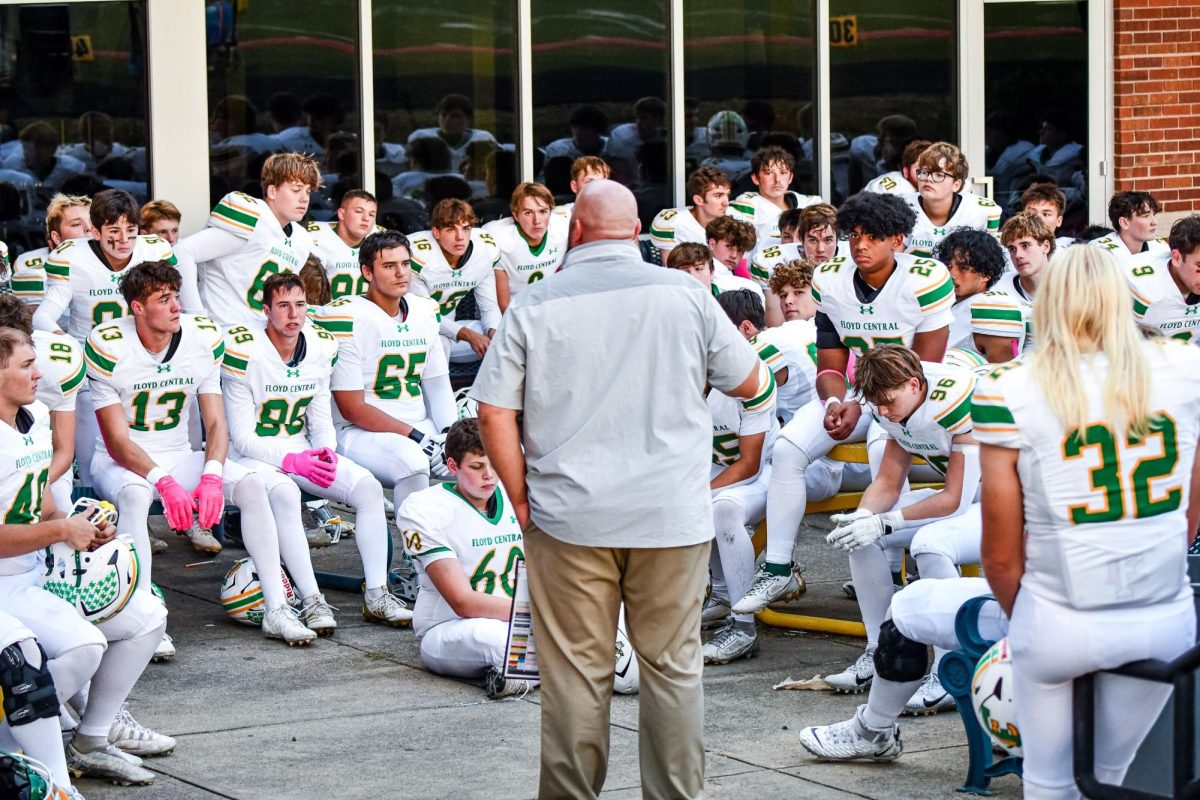

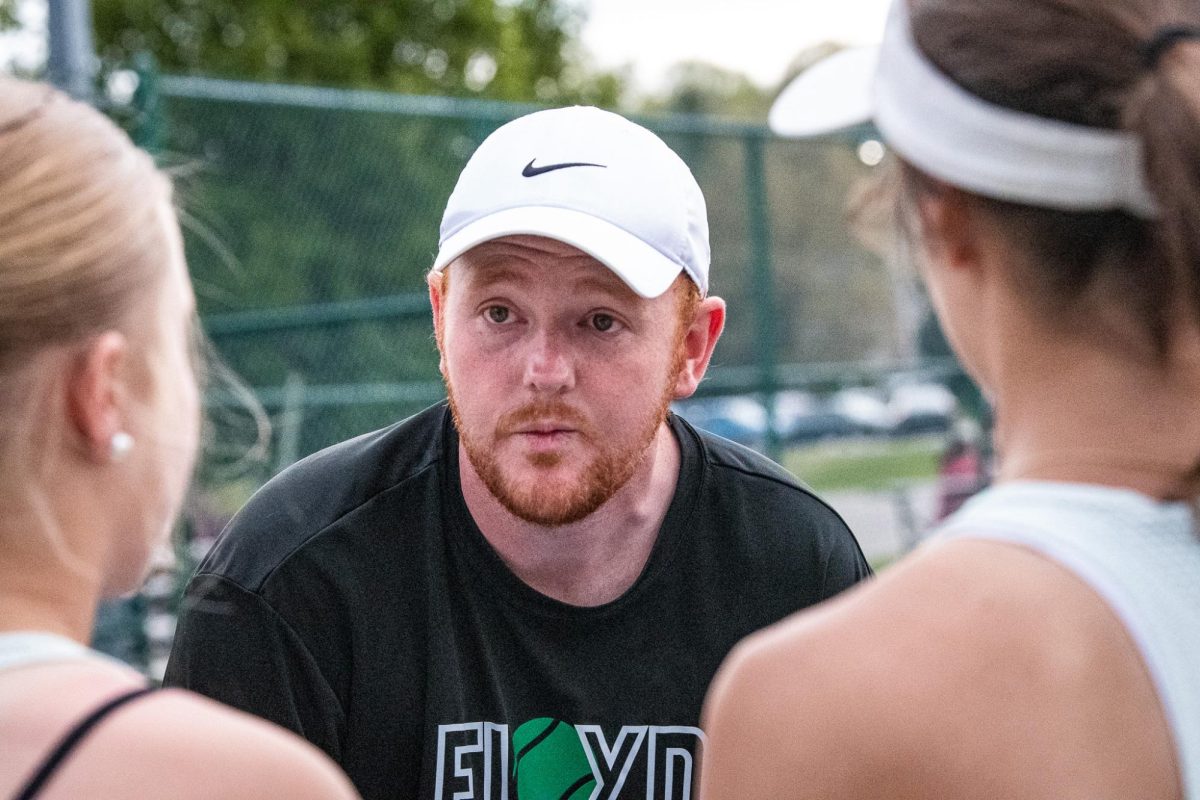
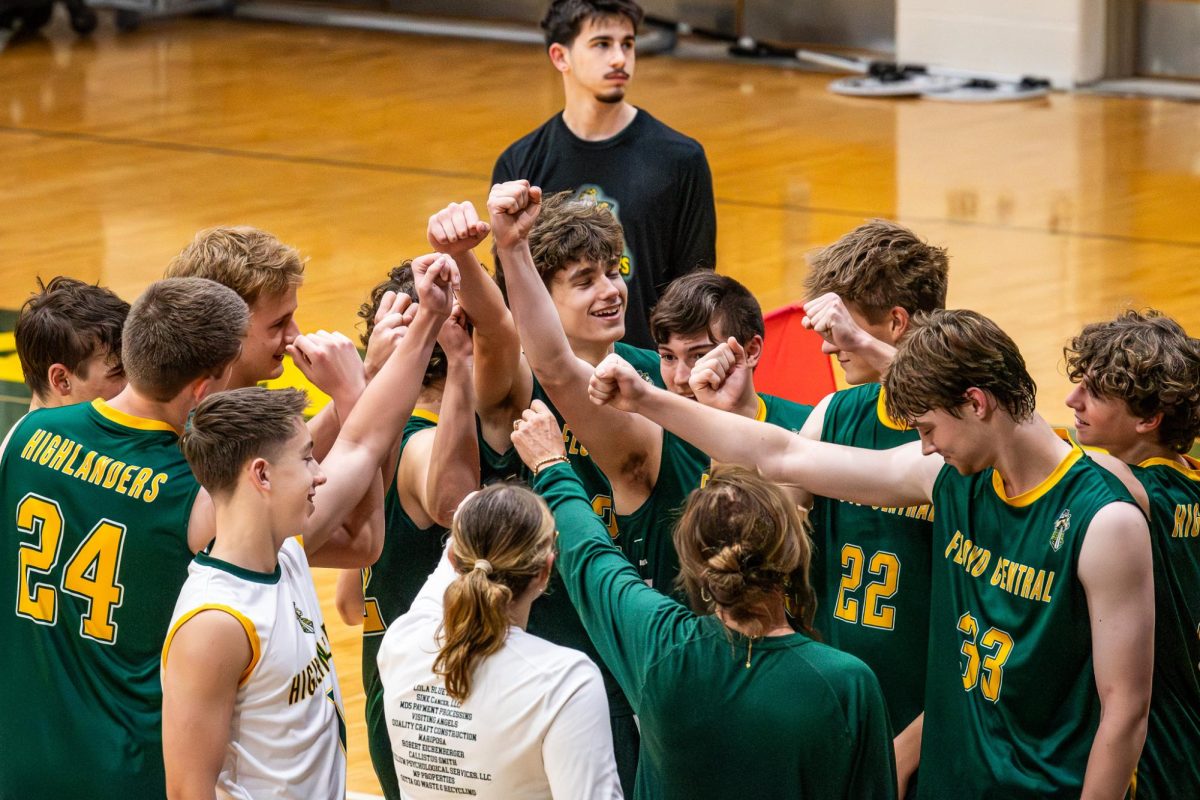
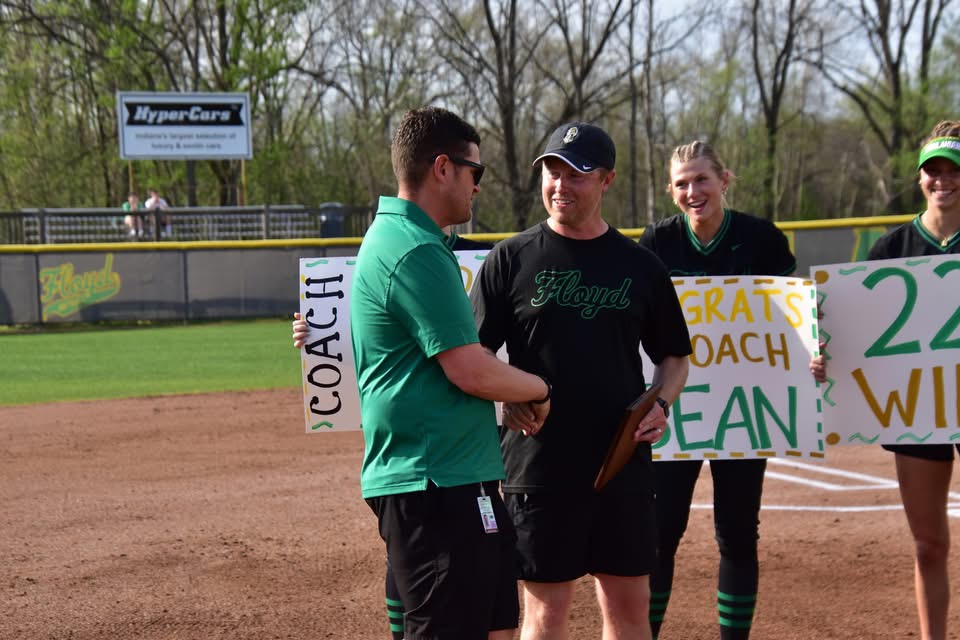

















Communication skills is one of the most important skills in coaching. When it comes down to a team and their camaraderie, the coaching has the biggest play in how the team acts. Coaches should be knowledgeable, experienced, and communicative. Coaches with big personalities and encouraging behavior will have more success and more compatibility with the team. Experience is valuable and will determine the success of your team; teams with a great coach will have great success.

The knowledge someone must previously have when it comes to coaching is one of the biggest factors that will play into how well they are going to coach and lead the team. A coach who is knowledgeable and experienced in the game they are coaching is more likely to be successful than a coach who is inexperienced and new to the game.
Most coaches have previously played the sport they are coaching and will use their previous knowledge to help the team and the younger players. It is important that you and your team have a coach who plays smart and is willing to listen.
Communication is key to having a winning team. What our athletic director Chris Kane looks for in coaches is someone who is calm and communicative.
“They have to be able to stay calm and communicate so if they can do those things. I think [our coaches] are pretty good, those guys that fly off the handle are a little bit difficult to work with. Really just someone who is calm and can communicate and relate to the kids,” said Kane.
A strong coach with good communication will have clear instructions, honest feedback, active listening and mutual respect. Coaches should have clear expectations and lead by example. Without strong leadership, communication will not have direction. Good communication will look like adjusting to players needs, motivating and supportive, and having constructive feedback along with efficiency.
This builds trust, team chemistry, confidence and improves overall performance. When hiring coaches for our athletic teams Kane looks for organization and communication.
“They have to be able to communicate well and let everybody know what expectations are and just [be] natural leaders, that’s really what we are looking for,” said Kane.
A balance of organization and communication is what can motivate athletes to keep accountability and lead the team to success. Athletes perform best when they are understood and heard. Without communication, even the most talented teams can struggle with confusion and frustration.
A knowledgeable coach is what separates a great coach and a good one. Deep knowledge of the sport builds credibility. An experienced coach understands strategy, technique, conditioning, and in-game adjustments. They study the game beyond the basics and analyze results when unsuccessful. When players see that their coach understands the details beyond the fundamentals, they are more likely to want to learn from the coach and have a growing passion for the game. True great coaching leaves a lasting impact on the players and people around them and will turn potential into results.